


The Table Was Never Just a Table
The furniture stayed in the kitchen. The conversations went everywhere.
TAKE A SEAT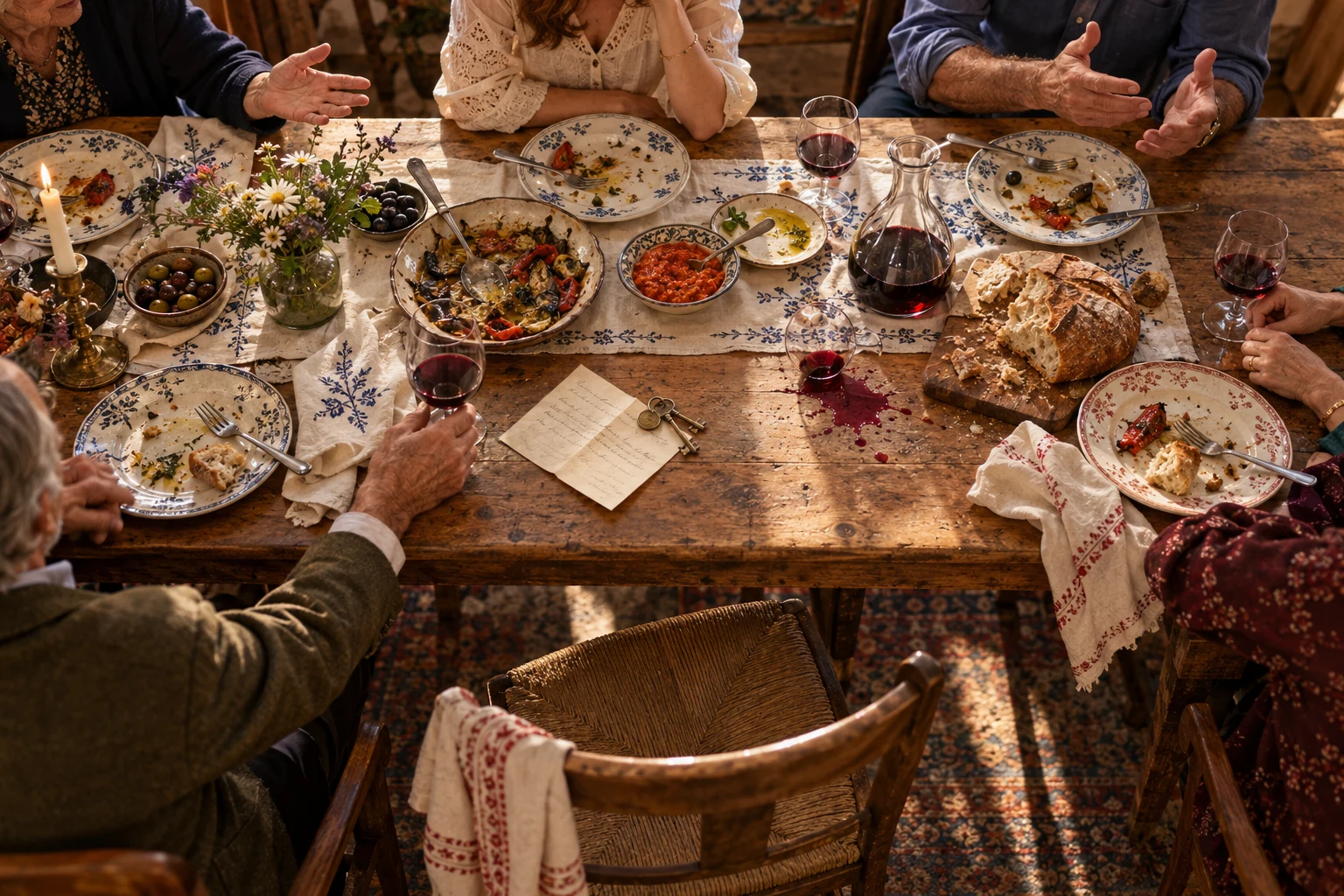

A kitchen table has an extraordinary ability to look innocent. Four legs. A scratched surface. Perhaps one drawer that refuses to close. Nothing to suggest that it has heard a marriage rearrange itself, a child announce a departure or a family finally say the thing it has been stepping around for years.
We call it the place where we eat. That is a spectacular understatement. It is where ordinary life puts its elbows down.
The things nobody put on the menu
There is a kind of family history that never becomes a photograph. The pause before somebody answers. The plate placed down a little too firmly. The second helping offered when an apology is still impossible to pronounce. A table can hold all of it without explaining any of it.
Food gives people something to do with their hands when the conversation gets difficult. Cut the bread. Pour the water. Ask whether anyone wants more. Sometimes that small, practical rhythm makes room for a sentence that could not survive a formal family meeting.
Who gets to sit?
Look closely at the choreography. Who knows which glass belongs to whom? Who remembers the allergy, the preferred seat, the person who needs another portion? Who begins clearing while everyone else is still finishing a story?
Care can be generous and exhausting at the same time. Being indispensable is not the same as being included. If one person spends the whole evening making the gathering possible, inviting them to relax after the work is finished misses the point. Give them a chair while the evening is happening.
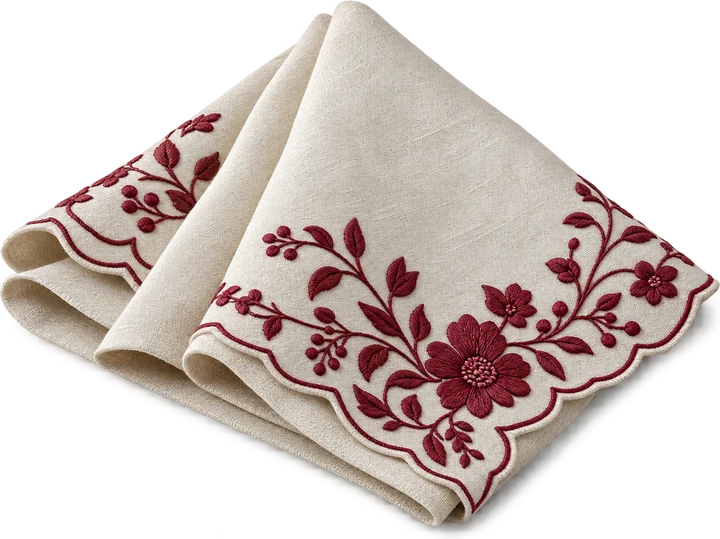
Make room for the person who made room for everyone.AJVAR LADY / TAKE THAT WITH YOU
Not every table was a safe place
Nostalgia has excellent lighting. It can make us forget the dinners at which somebody was mocked, corrected or expected to tolerate a comment because the speaker was family. A familiar recipe does not make every familiar habit worth keeping.
You can love the kitchen you came from and set different rules in your own. No interrogations about bodies. No using somebody’s relationship as a group discussion. No assigning the washing-up by gender and calling it tradition. Hospitality includes the atmosphere, not only the food.
The conversation after the conversation
Some reconciliations arrive without speeches. Two people remain after everyone leaves. One washes. One dries. The room is quieter now; the performance is over. A more honest version of the conversation becomes possible.
That does not mean every conflict needs to be resolved over dinner. Sometimes the generous thing is to stop, leave a question open and agree to return to it privately. A shared meal is an invitation, not a demand for an immediate emotional settlement.
Build the table you needed
A table can be small. The plates can disagree with one another. The soup can come from a carton. What matters is whether the people around it are allowed to arrive as themselves, rather than as the role they have always been expected to play.
Invite the friend who has had a difficult week. Let somebody else bring dessert. Put the serving bowl where everyone can reach it. Make the invitation specific: come at seven; there is enough. Then leave room for the cook. The best family tradition may be the one you begin.
Image note: generated images are editorial illustrations, not documentary photographs of named venues or authenticated porcelain products. Real pizza photographs are individually credited. Recipes are sourced adaptations and have not been kitchen-tested by AJVAR LADY.